Bhutan Stroke Foundation's Journey
Our Journey Through Time
Explore the milestones that have shaped the Bhutan Stroke Foundation’s path to becoming a beacon of hope for stroke patients and caregivers.
2019
Foundation Established
Bhutan Stroke Foundation was established in 2019 by group of volunteers, doctors & stroke survivals and their families
2020
Registered as CSO
Bhutan Stroke Foundation registered as Civil Society Organization (CSO) on 5th November 2020 with Registered No: CSOA/PBO-47.
2020
First AGM Held
Bhutan Stroke Foundation’s first Annual General Meeting held on 19 December 2020 attended by 30 members led by Interim President Dr. Tashi Tenzin
2025
Endowment Fund
Kilaya Foundation donates Nu. 4 million to the Bhutan Stroke Foundation to create an endowment as required by the governing rules of the CSOA
Our Board Members
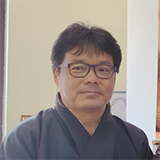
Dr. Dorji Wangchuk
Chairperson
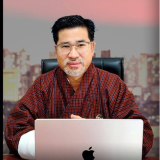
Mr. Jamtsho
Board Member
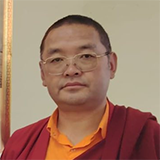
Ven. Dechen Lhendup
Board Member
Dr. Kuenga Wangmo
Board Member
Mr. Cheku Dorji
Board Member
Mr. Ura Sonam Tshewang
Board Member
Mr. Dawa Tshering
Member Secretary
Our Technical Advisory Committee
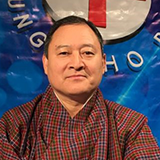
Dr. Tashi Tenzin
Chairperson/Co-founder
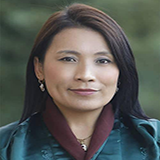
Drg. Karma Ugyen
Member
Dr. Sonam Yoezer
Member
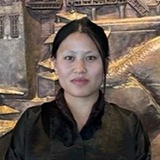
Nima Zangmo
Member
Meet Our Goodwill Ambassadors
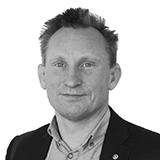
Johan Schyllander
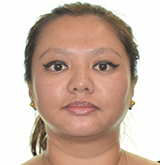
Anuka Pradhan
Our programs to create a conscious and inclusive community
Online Community based Non–medical Rehabilitation Program
BSF, with support from Physiotherapy Unit professionals, provides weekly online therapeutic services for post-stroke patients and families. The program offers teleconsultations across key therapies and shares essential guidance on home-based stroke care to ensure access to vital services and support.
Public Awareness and Advocacy
Stroke occurs when blood flow to the brain stops, making it a major cause of death and disability. In Bhutan, 3–4 cases reach the national hospital weekly, yet timely action can prevent many. To raise awareness, the foundation conducts talks, newsletters, and advocacy workshops with DOPH and partner CSOs.
Livelihood skills development as Occupational Therapeutic program
The foundation, with key partners, will support home-based non-medical rehabilitation by providing livelihood and life-skills training for vulnerable post-stroke patients. Therapeutic and vocational activities such as tailoring, spa, bakery, pottery, and calligraphy will promote independence, improve well-being, and offer income opportunities, reducing patients’ social and economic burden.
Risk Assessment & Research
Owing to lack of data which is the major challenges for the foundation in providing service. Therefore, foundations focus on registration of all the post stroke patients. Foundation will compile periodic case studies which will help the foundation to plan accordingly for the evidence-based services in the future. We also conduct stroke risk assessment for high-risk populations.